
Having clear ownership across help desk roles prevents confusion by assigning responsibility for troubleshooting, communication, and closure. When your employees run into login issues, or get transferred between multiple customer service reps, systems become less efficient.
This guide explains who handles each stage when it comes to help desk roles. You'll learn how escalation works, and what buyers should ask when evaluating support dependability.
Key Takeaways
Dependable support requires one accountable ticket owner at a time, with an explicit handoff whenever ownership changes.
Technical work may move between teams without making the requester responsible for coordinating them.
Document tier scope, escalation triggers, update schedules, and closure requirements. Evaluate average response times and agent productivity alongside resolution quality.
Automation triggers and AI agents can assist with intake and routing, but define the human escalation path and authority limits.
Why Clear Help Desk Roles Matter

A request can stall even when several support agents are involved. Without a clear owner, everyone can assume that someone else is updating the user or arranging specialist help.
Defined responsibilities include first contact, technical resolution, and user confirmation. They also distinguish information technology (IT) support from unrelated customer service skills, such as order and billing inquiries.
Help Desk Support is the coordinated service that receives, troubleshoots, communicates about, and resolves user technology issues. Clear role ownership is essential because effective support depends on more than answering requests. It also requires consistent follow-through across the entire ticket lifecycle.
The Difference Between a Role and a Job Title
A job title describes a position. A role describes responsibility within the support workflow. One technician might handle intake, troubleshooting, and closure in a small business. Specialized teams divide those duties in larger organizations.
Team leads should define who receives, works, escalates, communicates, and closes each ticket. First contact resolution is valuable, but ownership must remain clear when an issue requires several people.
The Support Request Lifecycle and Role Ownership

The lifecycle moves from intake through triage, diagnosis, resolution or escalation, validation, and closure. Within IT service management, incident management restores disrupted service. Routine service requests follow an approval and fulfillment path.
Intake and Ticket Creation
The intake owner receives requests through email, phone, live chat, a portal, or in person. They verify identity, capture symptoms and business impact, and create or update the ticket.
Triage, Prioritization, and Assignment
A help desk specialist or coordinator categorizes the issue and assigns an owner. Request priority level considers affected users, business impact, information security risks, and service level agreements (SLA).
Troubleshooting and User Communication
Frontline technicians address account access problems, software installation, device setup, connectivity problems, and printers. They record diagnostic results and explain the next action and update time.
Escalation, Resolution, and Closure
Specialists receive work beyond frontline authority or expertise, while a named owner maintains communication. The resolving team records the corrective action, and the service desk validates restored service with the user before closure.
Core Help Desk Roles Explained

Labels vary, so define decision rights, escalation triggers, and communication duties rather than relying on titles. A responsibility matrix should name one accountable owner for each stage, including handoffs between teams.
Help Desk Technician, Specialist, or Analyst
A Help Desk Technician / Analyst is typically the frontline owner for documenting requests, diagnosing common issues, and coordinating escalation when a case exceeds their authority or expertise.
A help desk analyst, computer support specialist, or IT support specialist provides remote or onsite assistance with operating systems and common technical issues. They maintain accurate tickets and escalate when access restrictions, risk, technical scope, or troubleshooting time limits require it.
Help Desk Coordinator or Admin
A help desk admin monitors queues, unassigned work, overdue requests, and assignment balance. They may oversee automated routing, employee onboarding requests, and ticket quality checks without performing every technical fix.
Tier 2 and Tier 3 Technical Specialists
Tier 2 handles deeper diagnostics, configuration changes, and application support. Tier 3 addresses complex networking, infrastructure, security, or engineering problems. This sometimes involves network and computer systems administrators or vendors.
Support Manager or Service Desk Manager
The manager sets coverage, service standards, training priorities, escalation rules, and quality controls. They review customer satisfaction, backlog, repeat incidents, and resolution performance. They also ensure customer data receives appropriate protection.
How Tiered Support Structure Works
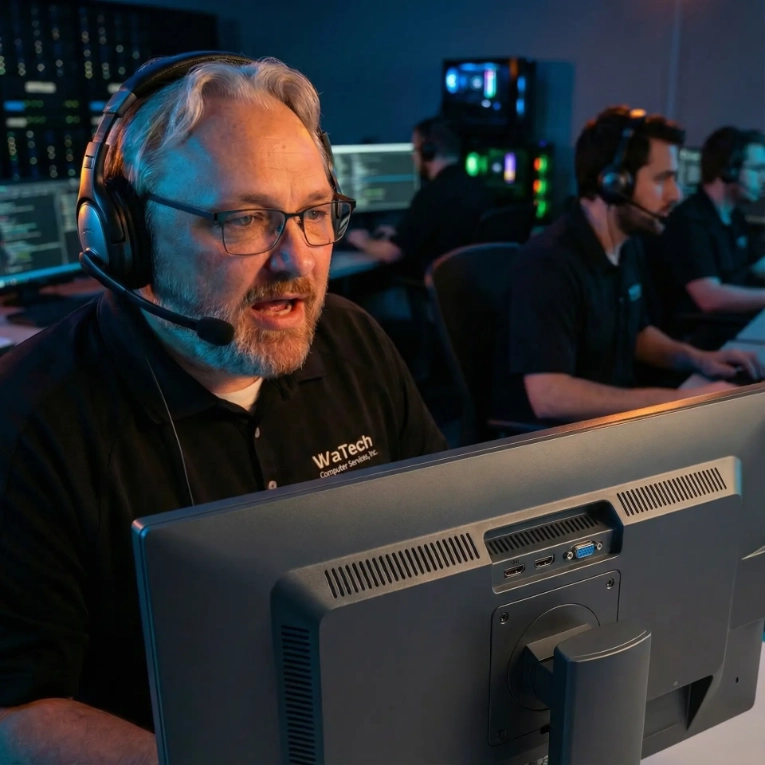
Tiered support directs customer inquiries to the fastest appropriate resolver while reserving specialist time for complex work. Explicit scope definitions and knowledge base management prevent unnecessary transfers.
Tier 0: Self-Service and Prevention
Tier 0 support includes knowledge articles, guided forms, status information, and approved automated tools. Assign content owners to keep instructions accurate, then use failed searches and repeat requests to identify gaps.
Tier 1: Frontline Resolution
A Service Desk Technician performs this Tier 1 support by combining technical troubleshooting with ticket ownership, user communication, and documentation.
Tier 1 acknowledges requests, validates details, and resolves documented issues involving accounts, hardware, standard software, and routine connectivity checks. Staff should document customers’ descriptions of their computer problems and provide status updates.
Tier 2 and Tier 3: Specialized Resolution
Tier 2 support applies advanced access and platform expertise. Tier 3 investigates systemic or high-risk failures. Some organizations use “Tier 4” for external vendor support, but this label needs an explicit definition.
Critical incidents should reach specialists quickly through a severity-based path, with actions still recorded in the ticketing system.
How Buyers Can Evaluate Help Desk Accountability

Ask a provider to explain the request journey. Omnichannel support is useful only when phone, email, and chat interactions preserve ticket history and ownership.
Review sample performance reporting and service commitments. If coverage is described as available 24 hours a day, clarify whether that includes live response, technical resolution, onsite assistance, or emergency escalation.
Questions to Ask a Support Provider
Who answers first, and which issues are handled in-house?
Who communicates during escalation and authorizes closure?
What triggers specialist involvement or leadership notification?
How are recurring incidents converted into prevention tasks?
Does remote support cover your actual systems, including Apple iOS devices and domain name system issues?
Metrics That Reveal Whether Roles Are Working

Measure outcomes alongside ticket quality because quick closure can conceal incomplete fixes. Segment results by priority, request type, team, and escalation path. Review trends regularly and assign improvement actions to named owners.
Operational Metrics
Track first response time, time to resolution, backlog volume, SLA compliance, escalation rate, and reopened support tickets. SLA tracking should reflect agreed service hours and priority definitions.
Monitor workload distribution, too. An urgent virtual private network (VPN) failure should not sit with an unavailable technician. Separate time spent actively troubleshooting from time awaiting approval, a vendor, or user input.
Quality and Experience Metrics
Measure first contact resolution, customer satisfaction, recurring incident volume, and resolution quality. Audit whether ticket notes explain actions, decisions, remote access activity, and final outcomes.
Active listening and clear writing matter because another technician should understand the case without interviewing the user again. Use findings to adjust training, staffing, documentation, and regular maintenance.
Provide Your Customers the Best Support
Help desk roles play a key part in support requests. Each tier handles specific issues, making the process smooth for users. Entry-level staff handle basic problems while higher tiers manage complex cases.
Skills and qualifications vary by position but are essential for success. Knowing who owns each step can lead to better customer support and job opportunities in the IT industry.
FAQs
1. What Are the Responsibilities of an IT Help Desk Technician?
An IT help desk technician receives and documents requests, checks business impact, troubleshoots common problems, and communicates updates. They escalate complex cases with complete notes and confirm resolution before closure.
2. Is Help Desk a Hard Job?
Help desk work can be demanding because it combines technical troubleshooting, prioritization, clear communication, and empathy. Difficulty depends on ticket volume, system complexity, documentation quality, and the availability of specialist support.
3. What Is the Job Description of Technical Support?
Technical support helps users resolve hardware malfunctions, software, accounts, connectivity, and business applications. Responsibilities include diagnosis, user instructions, corrective actions, issue escalation coordination, and outcome documentation.
4. Who Is Responsible When a Ticket Is Escalated?
A specialist may own the technical fix, while the person assigned to the ticket remains accountable for coordinating progress. They should also keep the user informed. The handoff should identify both responsibilities and specify who validates resolution and authorizes closure.